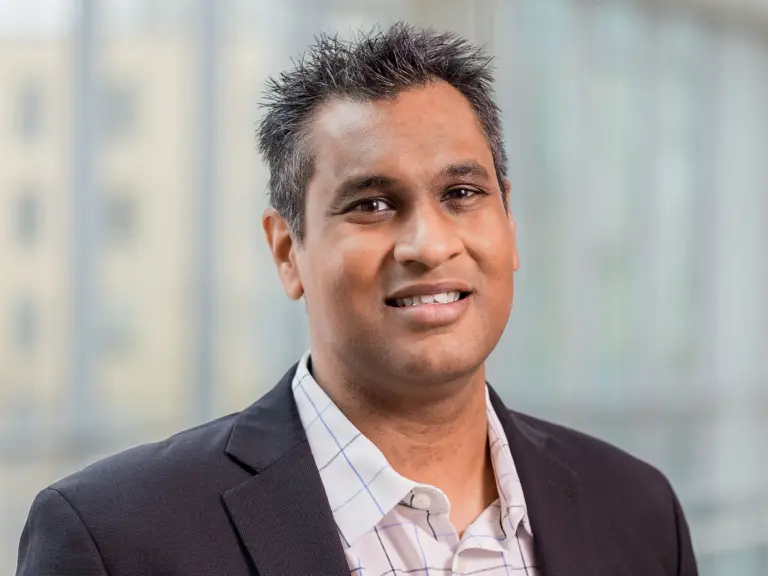
Krishanu Saha
Department of Biomedical Engineering
Associate Professor
(608) 316-4313
4164 Discovery Building
330 N Orchard St
Madison, WI 53715-1119
Education
B.S., Cornell University; M.Phil., University of Cambridge (U.K.); Ph.D., University of California-Berkeley; Postdoctoral, Whitehead Institute-MIT/Harvard University
Research Areas
- Personalized Medicine
- Synthetic & Systems Biology
Stem cell biology, genome engineering and biomaterials expertise to ask unique questions about human biology and disease
We utilize quantitative and bioengineering methods to advance the next generation of cell and gene therapies.
Gene Editing
CRISPR-Cas9, nanoparticle delivery

We develop new tools and insights into the editing of the human genome. Projects include understanding DNA repair and nanoscale assembly of nucleic acids and novel nonviral polymeric delivery agents around protein-based CRISPR systems. We are advancing two projects in the NIH Somatic Cell Genome Editing Consortium.
Biomanufacturing
Cell therapy manufacturing
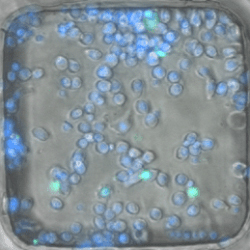
Cells are living drugs that can be difficult to generate, scale-up, and quality control. Projects include monitoring and controlling the heterogeneity during gene modification and scale-up of stem cells and T cell immunotherapies (e.g., CAR T cells). We benefit from collaborations with the national Center for Cell Manufacturing.
Disease Modeling
Biomaterials + gene editing to generate new cell models
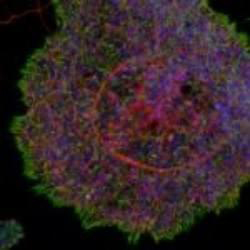
We are using customized biomaterials and genome editing to generate new human cell-based models of inherited disorders. Projects include correcting mutations within diseased cells and generate isogenic organoids that recapitulate morphogenesis and pathology seen in patients. This project exploits close collaboration with biologists and clinicians at the Waisman Center.
Science and Technology Studies
Science Policy/Bioethics
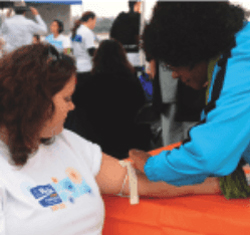
We seek to understand the dynamic and heterogeneous processes by which novel bioengineered objects get embedded into law and policy. Outputs are designed to invoke reflection among practicing scientists on the social commitments behind their choices when engineering human cells, as well as to inform regulations, institutional obligations, and state policy. We leverage collaborations within Holtz STS Center, Bio+Society Collaboratory, and Forum on Regenerative Medicine.